
𝙈𝙤𝙫𝙞𝙣𝙜 𝙛𝙧𝙤𝙢 “𝙒𝙝𝙮 𝙘𝙞𝙧𝙘𝙪𝙡𝙖𝙧𝙞𝙩𝙮?” 𝙩𝙤 “𝙃𝙤𝙬 𝙦𝙪𝙞𝙘𝙠𝙡𝙮 𝙘𝙖𝙣 𝙬𝙚 𝙤𝙥𝙚𝙧𝙖𝙩𝙞𝙤𝙣𝙖𝙡𝙞𝙯𝙚 𝙞𝙩?”
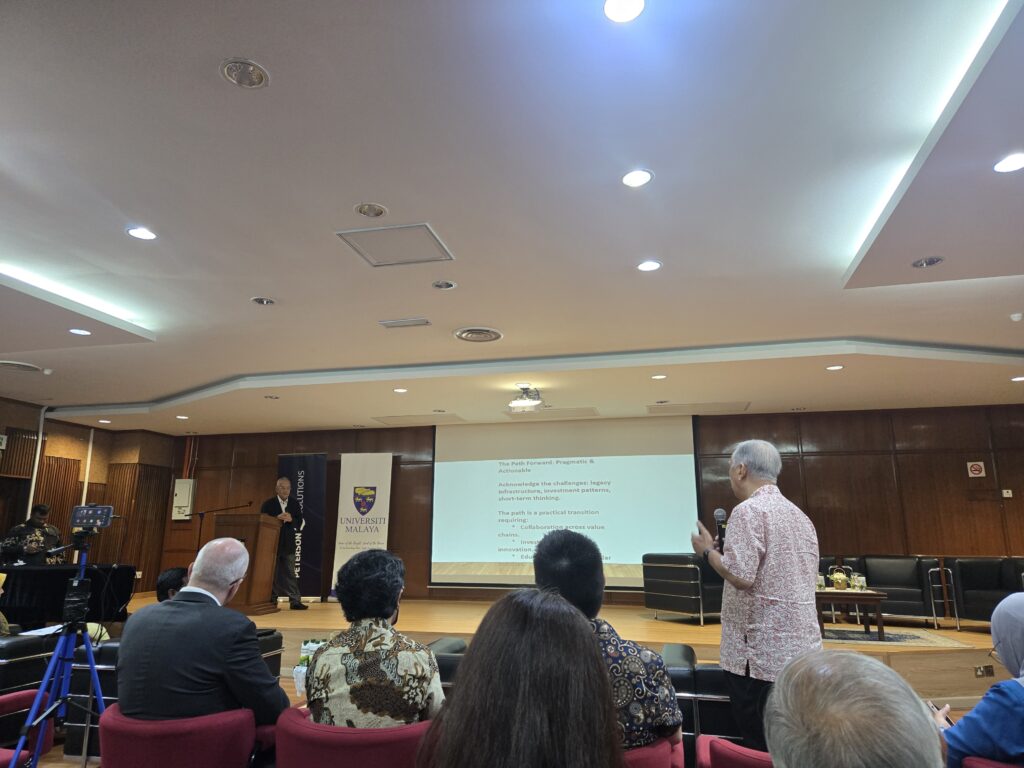
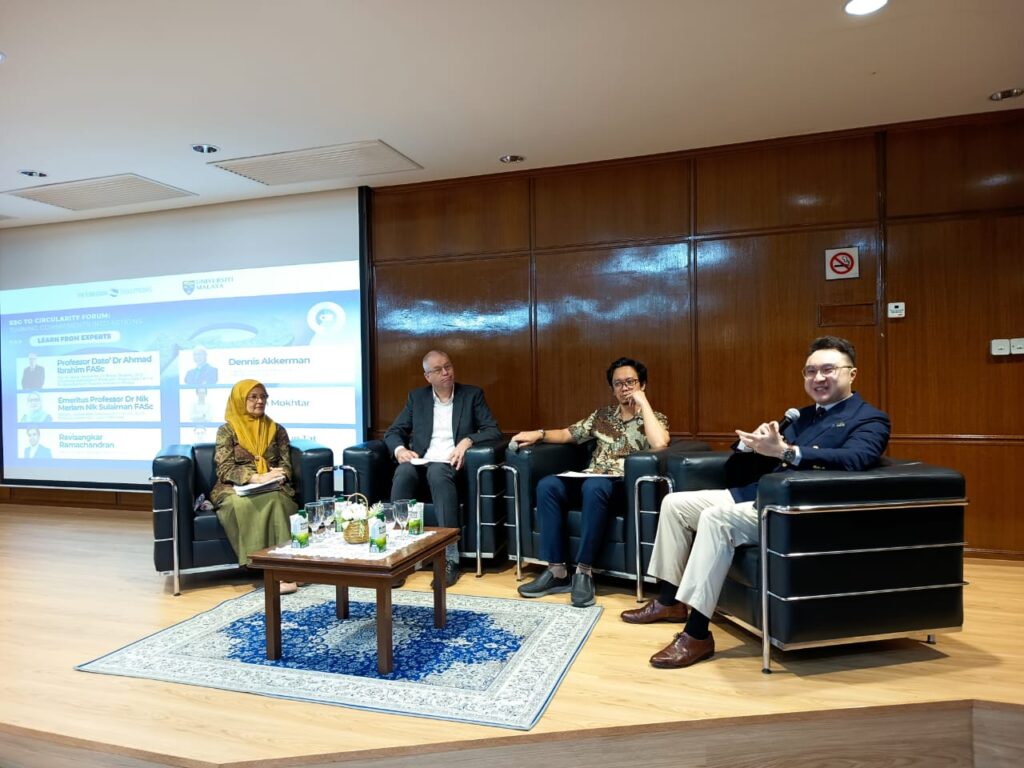
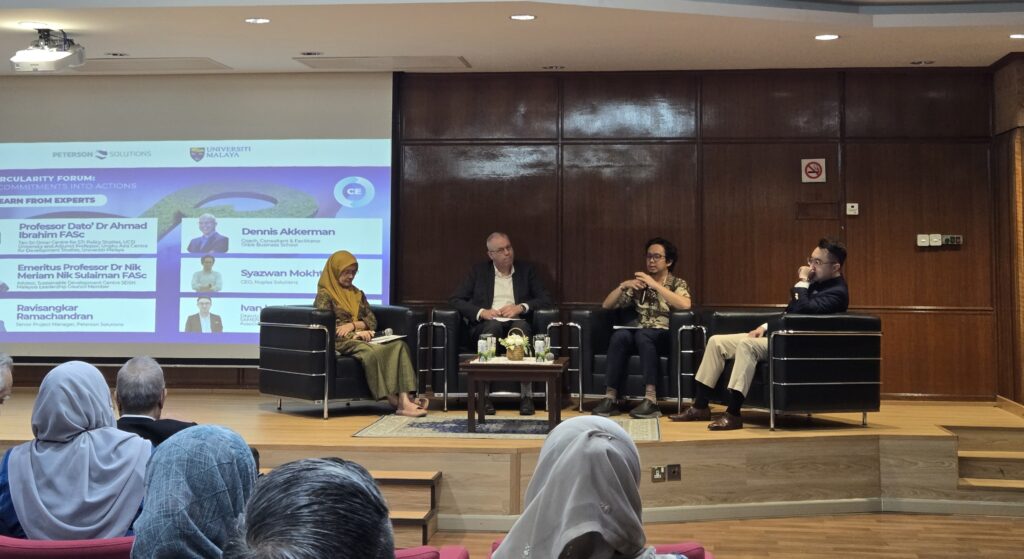
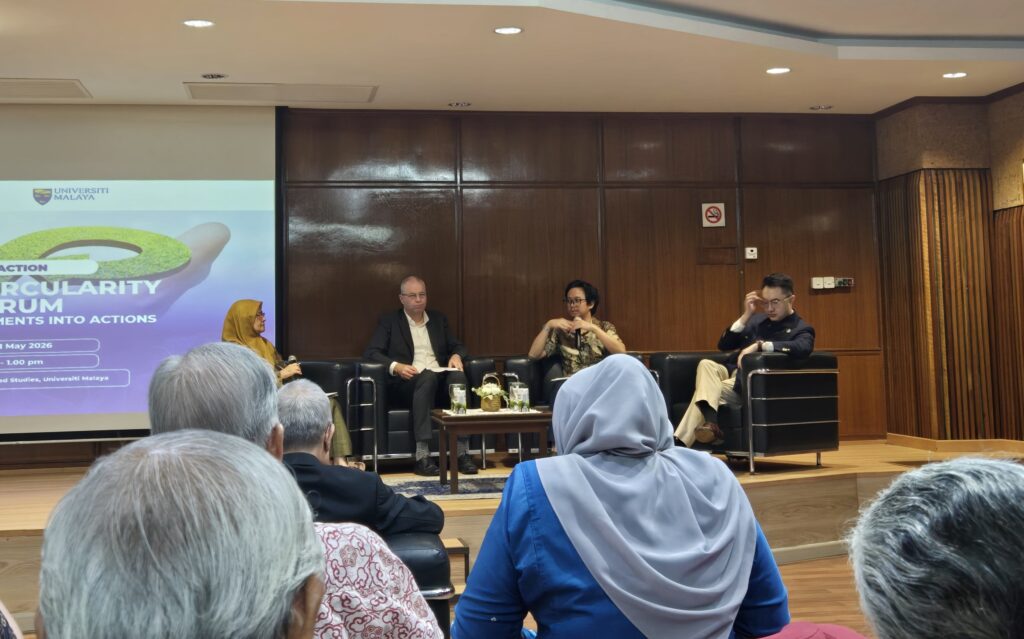
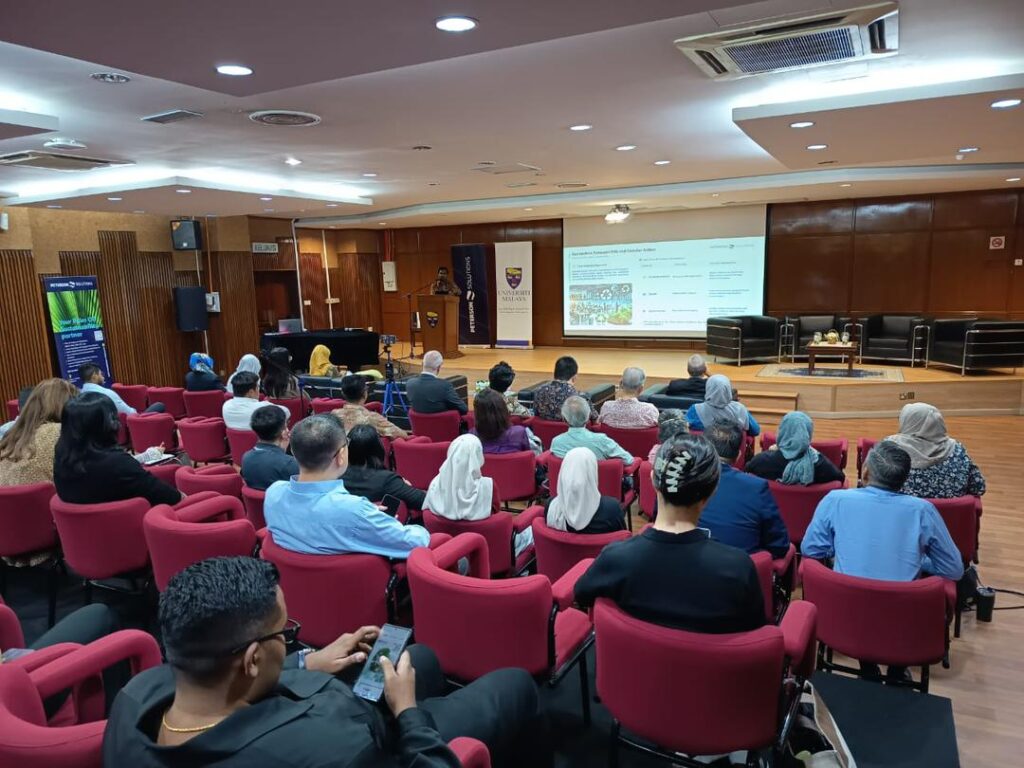
The ESG to Circularity Forum: Turning Commitments into Action brought together large corporations, academia, and SMEs to address a critical bottleneck: how do we actually execute?
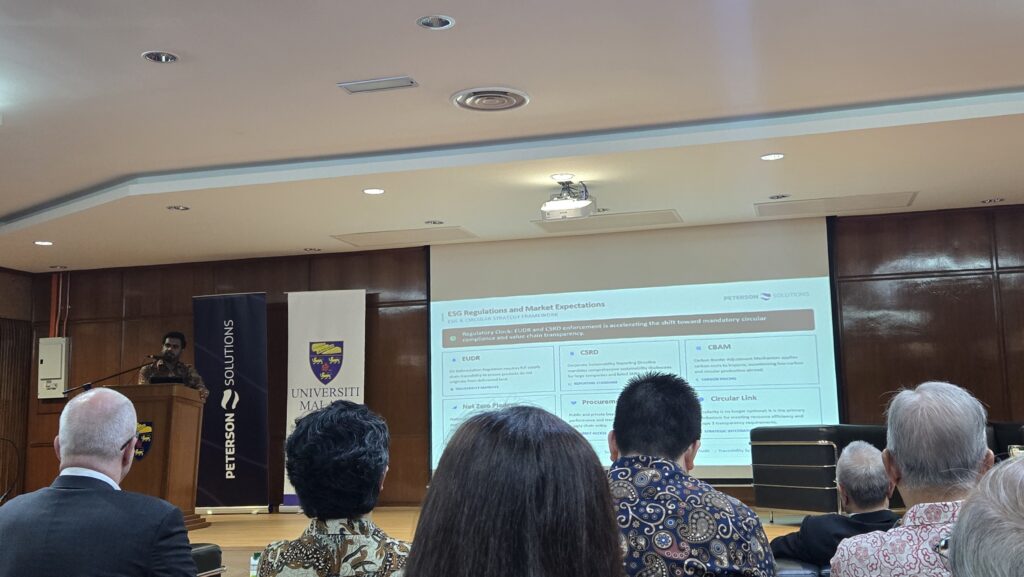
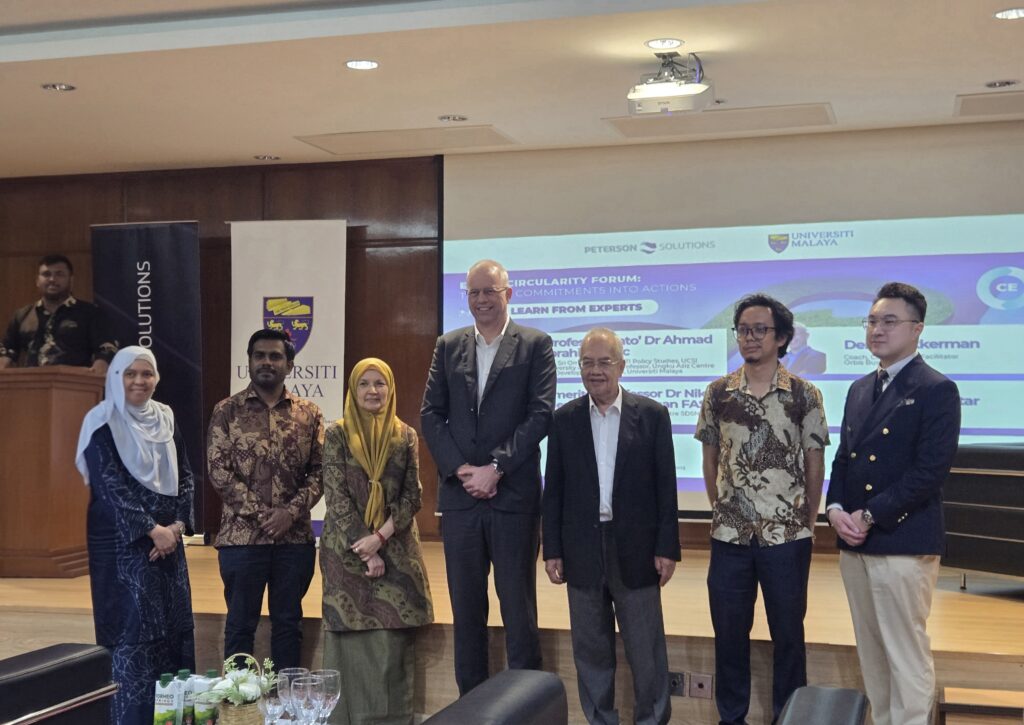
A huge thank you to the Peterson Solutions (Malaysia) and University of Malaya for putting together this event. We were also proud to have our CEO Syazwan Mokhtar represent our company as one of the panelist to share our practical experience on the stage.
The forum highlighted that Malaysia is past the sustainability awareness stage and is now facing a translation gap. Large corporates are moving due to tightening Bursa requirements and supply chain pressures, but the real challenge is translating high-level policy into everyday operational systems.
A major takeaway was that cross-sector collaboration fails when the focus is only on branding rather than true ownership. Useful collaboration requires a clear ecosystem where government enables, industry innovates and operationalises, and academia validates. Without this alignment, green initiatives simply get stuck as permanent pilots.
For many businesses and SMEs, circularity cannot survive on goodwill alone; it must connect to operational savings and protect compressed margins. The market is shifting from treating waste as a charity project to treating it as a functional supply chain asset. Real momentum is happening where circular models tie directly to market access and export demands.
Ultimately, the consensus was clear: even performative sustainability can create real operational shifts if the systems behind it become permanent. Let’s focus on building those permanent systems.